Crow’s feet show up first in photos. You turn into the light, squint a little, and those fine rays that frame the outer corners of the eyes suddenly look deeper than you remember. They mark warmth and life, but they can also make makeup settle, make you look more tired than you feel, and pull attention away from your eyes themselves. That is why botox for crow’s feet is one of the most requested aesthetic injections in any busy clinic. When done with skill, it softens the web of lines without stealing your smile.
I have treated thousands of faces with botulinum toxin injections, and crow’s feet remain one of the most satisfying areas to treat because small, precise changes make an outsized difference. The goal is always the same, even if the plan varies: keep expression, reduce etching, and avoid that flat, “overdone” look that everyone fears.
What crow’s feet actually are
Crow’s feet come from a thin, circular muscle around the eye called the orbicularis oculi. You recruit it when you grin, laugh, squint in sunlight, or focus hard on a distant object. Over years, that repeated folding creases the skin at the temple and outer eye. Early on you see lines only with expression, which we call dynamic wrinkles. With time and sun exposure, the lines persist at rest and become static wrinkles.
Genetics, skin type, and lifestyle show up here. Fair complexions with a long history of sun play often show earlier and deeper lines, while thicker, oilier skin may hold them at bay longer. Habitual squinting from uncorrected vision or outdoor work speeds up the process. The orbicularis oculi itself varies in thickness and pattern from person to person. All of this matters when planning a cosmetic injectable treatment, because the anatomy drives the dosing and the injection pattern.
Why botox works so well in the eye area
Botox cosmetic, like other cosmetic neuromodulator injections, interrupts the signal that tells a muscle to contract. In the crow’s feet area, that means the outer fibers of the orbicularis oculi relax, so the skin stops folding so aggressively with a smile or squint. With less folding, the surface looks smoother. If static lines are present, they soften as the skin rests. In younger patients, preventative botox can delay those lines from etching in.
Think of it as volume control, not a mute button. With correct technique and calibrated dosing, you still smile with your eyes. The goal is natural looking botox results that simply take the sharpness off those lateral creases. It is also one of the quickest treatments we do. A standard botox session for crow’s feet takes under 10 minutes of injection time once the plan is set, and most patients are back to their day immediately.
The anatomy you cannot ignore
Crow’s feet injections look simple until you hit a boundary. The eye area sits next to structures you do not want to influence. The zygomaticus muscles lift the corner of the mouth, the lateral fibers of the orbicularis help you close the eye, and just above lies the tail of the brow. If you relax the wrong spot too much, you can tilt the smile, drop the brow, or make blinking feel heavy.
A safe botox injection for crow’s feet stays superficial and lateral, using small aliquots placed in a fan pattern. I map the line pattern at full smile, then check the resting skin. I palpate for the bony orbital rim and avoid drifting too close to the mid-pupillary line. Dosing often ranges from 6 to 15 units per side depending on muscle strength, skin quality, and desired wrinkle reduction. Thicker muscles or stronger squinters need more, while first timers or those seeking baby botox usually do well with conservative amounts. Precision botox treatment matters, not only for results but for safety.
What a good consultation covers
Your botox consultation should feel like a fitting, not a sales pitch. A certified botox provider will study how you animate. I like to watch a natural laugh, a forced squint, and a neutral gaze. I also check for brow asymmetry, upper face dynamics, and the balance between the crow’s feet and the under eye. If the under eye hollows are strong or the skin is crepey, we discuss how neuromodulator injections interact with skin quality.

We also talk through context, because facial botox works best as part of an overall plan. If frown lines or a descending brow tail make you look stern, you may benefit from upper face botox beyond the lateral canthus. If the hairline sits low and brows feel heavy, a small botox brow lift might open the eyes while we soften crow’s feet. When someone has aggressive forehead lines from overusing the frontalis to compensate for a heavy brow, we carefully balance forehead wrinkle injections so we do not induce brow descent.
Medical history matters. Bleeding disorders, certain neuromuscular conditions, recent eye surgery, pregnancy, and lactation can affect whether botox treatment is appropriate. Medications and supplements that thin blood raise bruising risk. Allergies are rare, but prior reactions to botulinum toxin treatment are important to note. Photos in a neutral position and full smile help track botox before and after changes and guide maintenance.
The treatment process and what to expect
Most people find crow’s feet injections quick and easy. We cleanse the area, mark three to five points per side while you smile, then deliver botox micro injections with a fine needle. You may feel a brief sting and pressure. Small blebs of fluid at each site flatten within minutes. Makeup can go back on after a gentle cleanse later in the day, and you can return to work.
Your injector will run through standard aftercare. Skip facials, vigorous exercise, saunas, and heavy alcohol the day of treatment to reduce bruising and prevent product spread. Do not massage the area. If a small bruise appears, topical arnica or a cold compress helps. Headaches are uncommon in this region, but can happen and usually resolve within a day.
Results build gradually. Some movement reduction starts around day 3 to 5, with full effect at day 10 to 14. The skin surface looks smoother as the muscle rests. If you have significant static lines, the first cycle softens them, then the second and third cycles often show more dramatic improvement as the skin has time to remodel without constant folding. Expect botox results to last about 3 to 4 months in the crow’s feet, though ranges of 2.5 to 5 months occur depending on metabolism, dose, and how expressive you are.
Getting natural results, not a frozen smile
A natural smile wrinkles a little at the eyes. That is part of human warmth. Natural looking botox preserves that quality while muting the extra creases that make makeup crack or draw attention. The trick is pattern and dose. If lines creep upward into the temple, we treat higher and more lateral, and we keep the dose per point light to retain sparkle. If lines shoot downward toward the cheek, we avoid dropping too low where injections can interfere with the zygomaticus.
Everyone asks for subtle botox results on their first visit. I usually start conservative and schedule a two week check. If we have under treated, a small top up brings you to the target without overshooting. That follow up also teaches us how your muscles respond, which informs your personalized botox injections going forward. Over time we learn your sweet spot: the level that gives consistent wrinkle softening injections without flattening expression.
Preventative botox has a place in this area. In late twenties to early thirties, small doses given two or three times a year can slow static line formation and keep the skin smoother long term. Baby botox, meaning lower units per point, works well here, especially for those with lighter muscle activity or thin skin. The key is restraint and regularity.
Safety and side effects, straight talk
Botox face treatment around the eyes is safe in trained hands. Side effects are usually minor and temporary: pinpoint bruises, mild swelling, or short term tenderness. Headaches and a feeling of eye tiredness are less common. The rare complications usually stem from placement or dosing, which is why a licensed botox injector who understands anatomy matters.
Undercorrection is not a complication, it is simply an opportunity to adjust at review. Overcorrection can look odd. The outer eye may appear too smooth at rest or the smile can feel tight. If botulinum toxin diffuses too close to the lower eyelid, some people notice a slight difficulty with strong eye closure or dry eye symptoms. These issues fade as the botox wears off, but they are worth avoiding. Proper depth, spacing, and keeping to the lateral zone reduce risk.
Allergies to medical grade botox are very rare. True botulinum toxin resistance is uncommon but possible, especially with high cumulative doses over many years. If suspected, switching products or spacing treatments can help. Above all, transparency is your best protection. Ask your injector about technique, dose ranges, and how they manage asymmetries or touch ups. Expert botox injections come with a plan, not just a syringe.
When crow’s feet are not the whole story
Crow’s feet often share the stage with other expression lines. Frown lines between the brows, forehead creases, bunny lines along the nose, and tiny lip lines can crowd the eye area. You do not need to treat everything at once, but thinking in terms of balance helps. An overly smooth crow’s feet area next to deep glabellar lines can look mismatched.
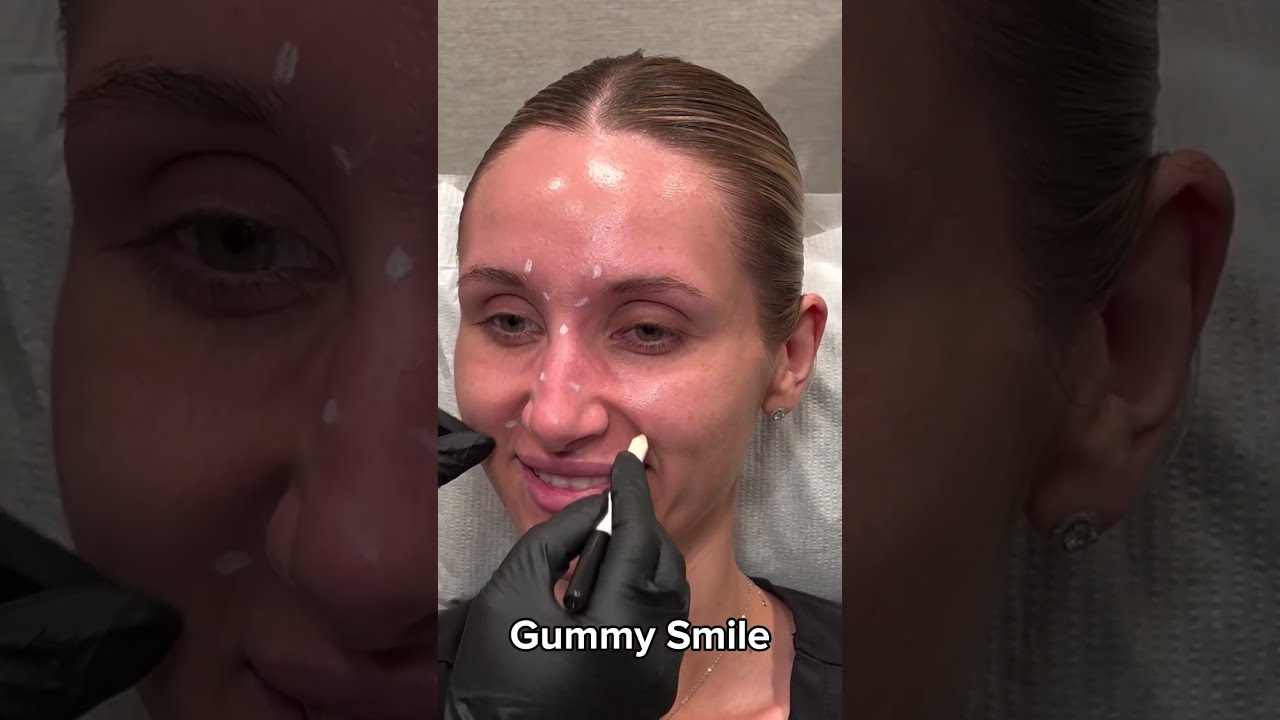
A tailored approach might include upper face botox for frown lines to relax the “11s” and reduce the habit of scowling. Forehead wrinkle injections may be used to soften horizontal lines, but take care not to drop the brows. A small botox for eyebrow lift opens the eye by relaxing the lateral orbicularis and parts of the forehead that pull the brow tail down. If gummy smile or masseter tension draws attention lower on the face, we may discuss botox for gummy smile or jaw slimming botox as separate, targeted botox treatment options.
Sometimes the surface skin needs attention beyond neuromodulation. If sun damage, dehydration, or glycation have left crisscrossed fine lines under the eye, botox alone will not fix that texture. Topical retinoids, sunscreen, gentle resurfacing, or biostimulatory treatments can improve the canvas while botox controls the folding. I like to pair skin smoothing injections in some contexts, but in the periorbital zone we tread lightly and choose modalities carefully to avoid swelling.
Choosing the right provider and clinic
Skill shows in outcomes, and it also shows in the way a clinic operates. A professional botox treatment starts with a careful assessment and a clear explanation of the plan. You should see sterile technique, fresh alcohol prep, single patient vials or documented lot and expiration tracking, and careful dose accounting. A botox clinic that photographs at each visit and logs injection maps builds consistency over time. They should also discuss botox cost in a straightforward way, whether by unit or by area, and set expectations about botox maintenance treatment.

Credentials matter. Look for a certified botox provider with direct training in facial anatomy. Experience with neuromodulator injections is more important than the letters on the wall, but both help. Ask how they handle adverse events, how often they recommend follow up, and what they consider a realistic outcome. If you feel rushed or pushed into add ons you did not ask for, keep looking.
How much it costs and how to think about value
Botox pricing varies by market and provider. In most cities, per unit pricing falls within a relatively narrow range, and crow’s feet typically require between 12 and 30 units total for both sides. Some clinics price by area rather than by unit. I prefer transparent unit pricing, since it aligns cost with dose and makes adjustments more straightforward. A conservative first treatment may cost less than a robust correction for a stronger muscle.
Value is not just the price on the day. Long lasting botox results depend on correct placement and a schedule that suits your physiology. If you coming back at three months consistently feels too soon, your provider can adjust dose within safe limits or tweak the map to engage the most active fibers. Over time, many patients find they can extend to four months or longer as the muscle unlearns some of its habitual contraction. That stability adds value, because you get better skin smoothing and fewer appointments per year.
Maintenance and timing your appointments
Botox is not a one and done treatment. Regular wrinkle relaxing therapy keeps the lines from reestablishing and allows the skin to remodel. Most people return at 3 to 4 month intervals. If you have a specific event, book your botox appointment at least 2 to 3 weeks before, so you see full effect and have time for a small adjustment if needed.
With crow’s feet, I often suggest a three cycle plan for first timers. The first treatment sets the baseline. The second, at around 12 to 14 weeks, botox FL New Beauty Company Aesthetics refines dose and map based on your response. The third typically delivers the most even, predictable outcome. After that, we settle into your preferred rhythm. If you are using preventative botox, twice a year may be enough. If your lines are deep and you squint for work, quarterly sessions make more sense.
Beyond the eyes, for context and balance
The eye area rarely lives alone. A thoughtful full face botox conversation includes other dynamic zones:
- Frown complex and forehead: Forehead and glabellar lines often overwork because of brow heaviness. Balanced treatment prevents a dropped brow and avoids the “surprised” look. Lower face tone: Botox for chin dimpling can quiet a pebbled chin, and facial muscle relaxing injections around the mouth can help lip lines when used very carefully.
Jawline tension can widen the face and stress the temporomandibular joint. Masseter botox reduces clenching and slims a squared lower face over several months, which can make the upper face appear more delicate. Therapeutic botox for medical conditions like bruxism or chronic migraine may be coordinated with cosmetic plans so doses do not conflict.
Who should be cautious or skip treatment
Most healthy adults tolerate botulinum toxin cosmetic treatments well. There are exceptions. Pregnancy and breastfeeding remain no go periods because we do not study cosmetic neuromodulators in those groups. Active skin infection near the injection sites needs to clear first. Uncontrolled neuromuscular disorders require specialist input. If you have dry eye syndrome, discuss it upfront because overly aggressive crow’s feet treatment can worsen symptoms. Those with a history of facial nerve palsy need tailored planning to avoid drawing attention to residual asymmetry.
If you have an event tomorrow and want instant results, botox is the wrong choice. It takes days to work. In that situation, stick to good sleep, hydration, cool compresses if puffy, and topical tricks. Neuromodulators remain the right tool for sustained wrinkle control, not emergency fixes.
Combining neuromodulators with other treatments
Botox skin treatment interacts with skin quality, volume, and pigment. When appropriate, pairing it with other modalities delivers better outcomes. Light resurfacing can improve creping under the eyes, while cautious use of biostimulators or microdroplet hyaluronic acid can boost superficial hydration in the periorbital region. Not everyone is a candidate for under eye filler, and it must be approached carefully to avoid swelling or a bluish hue. Your injector should walk you through trade offs and sequencing. I often stage treatments: first control movement with cosmetic muscle relaxant injections, then address texture or volume at a later visit once we see the botox results.
My take on technique and trends
Trends come and go. The “no lines at all” look had a moment online, but it rarely reads well in person. The better aesthetic is controlled movement, which is where targeted botox treatment shines. I use smaller aliquots placed with attention to your laugh pattern. A gentle feather into the temple, when needed, prevents a demarcation line. With strong smile elevators, I stay respectably lateral to protect the mouth’s upturn. On follow up, I look for areas where lines still break through most and add small units precisely there, rather than blanket more across the board.
I am also conservative near the lower eyelid margin and the malar region. That caution preserves eye closure strength and avoids a flat midface. If someone requests aggressive smoothing, we talk through the risk of a dulled smile. People often change their mind once they see how much better a measured approach looks in motion and in photos.
Realistic expectations and the role of habit
Botox for wrinkles delivers reliable improvement, but it does not erase every line or change skin biology. Sun protection remains non negotiable. Sunglasses reduce squinting and extend your results. Regular moisturizer and a nightly retinoid, if your skin tolerates it, support collagen and texture. Good sleep and hydration reduce morning puffiness that can crease into lines as the day goes on. These habits turn a good result into a great one.
Photos taken at rest and at full smile help set expectations. I show patients both views and remind them that the goal is not to erase every fold when grinning hard for the camera, but to reduce the maplike creases that were there even when they were not smiling. When the face moves naturally, a little line is not the enemy. Disharmony is.
The patient journey, summed up plainly
From first visit to maintenance, the path is straightforward. You schedule a botox consultation, we map your smile, choose a dose range that fits your anatomy and goals, and perform the injections. After two weeks we assess. If needed, we fine tune. You return seasonally to maintain wrinkle control injections and protect your investment. Over time, the routine becomes faster and more precise. You keep your grin. The camera, the mirror, and people you have not seen in a while all register you as rested and bright eyed, not altered.
Crow’s feet are a small canvas with big impact. With expert botox injections, the result is not a mask, but a face that reads like you after a good night’s sleep and a week away from glare. That is the promise of well planned, professional cosmetic injections in this area, and it is possible for nearly every face.
Quick reference for smart planning
- Onset and duration: Expect visible change by day 5 and full effect by day 14, with results that last 3 to 4 months on average. Dose and pattern: Typical total dose ranges from 12 to 30 units across both sides, divided into small points placed lateral to the eye in a fan pattern. Safety priorities: Stay superficial and lateral, avoid drifting inferiorly toward the cheek elevators, and respect the orbital rim boundaries to minimize side effects. Maintenance strategy: Plan 3 cycles to establish your baseline and rhythm, then extend intervals if your muscle response and goals allow. Natural look guardrails: Start conservative, review at two weeks, fine tune with small additions rather than large initial doses.
If crow’s feet are bothering you, an experienced, licensed botox injector can help you find the balance between smoother skin and lively expression. A thoughtful, customized approach turns a ten minute procedure into months of easy confidence every time you smile.